
No products in the cart.
How to Find Digital Product Ideas People Will Actually Pay For
Problem
You’re staring at a blank document, cursor blinking, trying to think of a digital product to sell. Nothing comes. Or worse — five ideas come at once, and none of them feel right, and you spend an hour Googling “digital product ideas 2026” hoping a listicle will hand you the answer.
It won’t. Not really. Because the problem was never a shortage of ideas. The internet is drowning in idea lists. The actual problem is that most of those ideas are guesses, dressed up to look like insight.
Agitation
Here’s the number that should make you pause before building anything: roughly 90% of startups fail, and the leading cause isn’t bad execution. It’s building something nobody actually wanted in the first place. That statistic’s been stable for years, and if anything, it’s gotten more relevant now that the digital product space is more crowded than it’s ever been.
Most creators run this same broken sequence. They think of an idea. They get excited. They spend three weeks, sometimes three months, building it — the course, the template pack, the ebook, whatever it is — and only then do they publish it and wait to see if anyone bites. That’s backwards, and it’s exactly why so many first products land at zero sales. You spent the validation phase after the building phase, which means you already burned the time before you had any evidence the thing was wanted.
The fix isn’t “think harder about ideas.” It’s “stop treating idea generation and validation as separate steps.” They’re the same step, done correctly.
Solution
So here’s how people who actually make money from digital products find and test ideas, in the order that actually works.
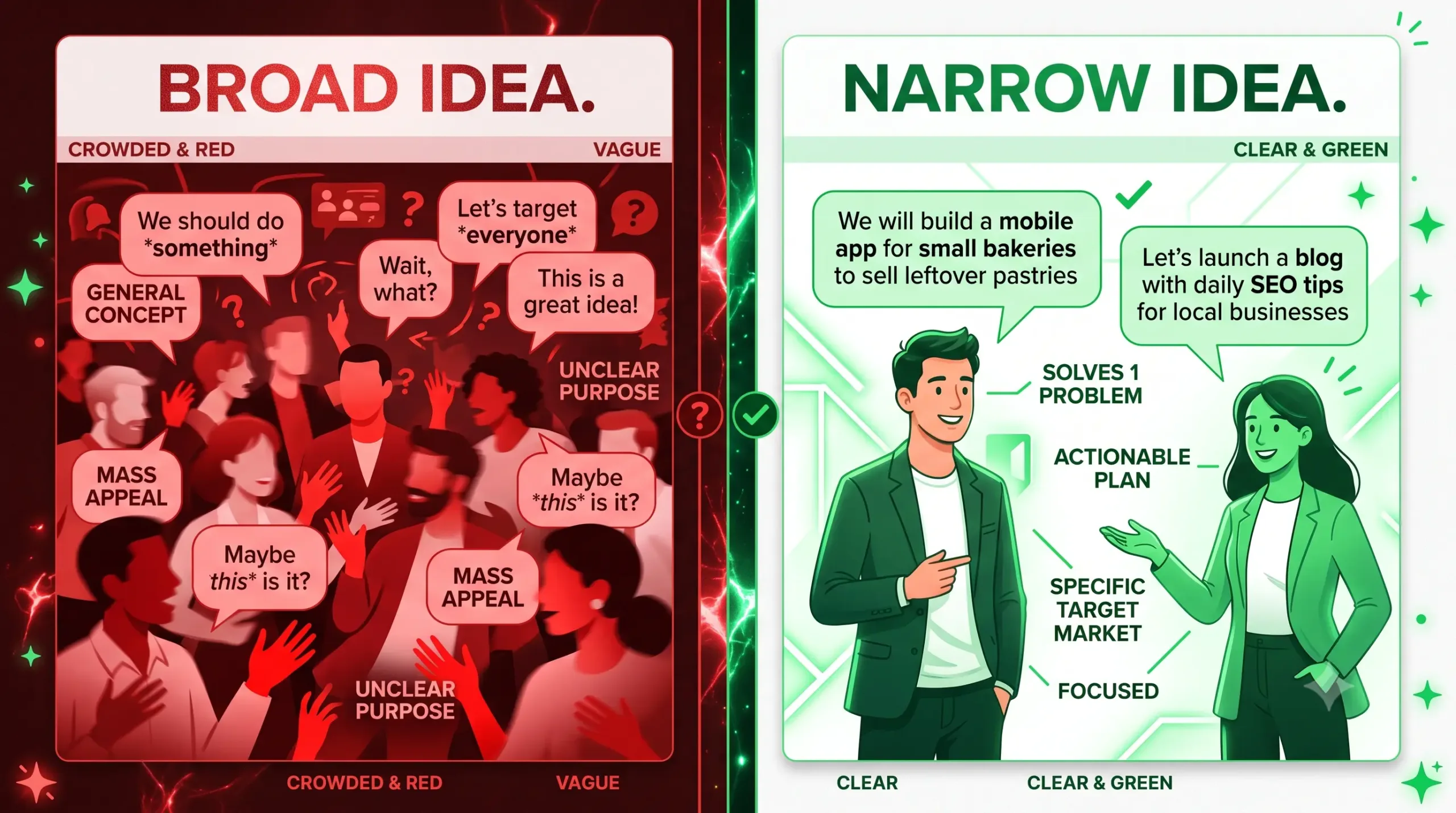
Start by listening, not brainstorming. Ideas generated in isolation — sitting alone, trying to invent something clever — tend to be weak, because they’re not rooted in an observed problem. Better approach: go read where your potential audience already complains. Reddit threads, Facebook groups, comment sections under YouTube tutorials, questions people ask repeatedly in your niche. You’re not inventing a problem. You’re finding one that already exists and is already frustrating people badly enough that they’re typing about it publicly.
Publish content before you build anything. This is the single most repeated piece of advice among creators who’ve actually pulled six figures from digital products, and for good reason — it costs almost nothing and tells you the truth fast. Write an article, post a thread, make a short video about the topic you’re considering. Don’t sell anything yet. Just be genuinely useful. Then watch what happens. One creator who’s made over $35,000 selling digital products described exactly this pattern: he published an article about AI music generation with zero promotion behind it, noticed people commenting and sharing it organically, and that early signal eventually turned into thousands of dollars in product sales. The article wasn’t the product. It was the test.
Check if people are actually searching for it. Passion without search volume is a hobby, not a business model. Before committing to an idea, run it through Google Keyword Planner, Ahrefs, or even the free tier of Ubersuggest. If you’re considering a Notion template for freelance project management, for instance, check search volume on terms like “project tracker Notion” or “freelance Notion template.” You don’t need massive numbers — something in the 1,000 to 5,000 monthly searches range for a focused term is a genuinely healthy signal. A smaller, specific audience with real buying intent consistently beats a huge audience that’s just casually browsing.
Build a landing page before you build the product. This one feels almost too simple to work, and yet it’s one of the most reliable tests available. Set up a single page — tools like Carrd make this fast — describing the product concept, with one button: “Join the Waitlist” or “Notify Me When It Launches.” Drive a small amount of traffic to it, organic or a modest ad spend, and watch what happens. If complete strangers, people with zero relationship to you, voluntarily hand over their email address for something that doesn’t exist yet, that’s real evidence of demand. Not a hunch. Evidence. Plenty of creators spend months building a product before ever spending fifty dollars to test whether anyone wants it. That math never made sense, and it makes even less sense now that testing costs almost nothing.
Ask a direct pain-scale question. Once you’ve spotted a recurring complaint, don’t assume the intensity — ask. Something as simple as “on a scale of 1 to 10, how painful is this specific problem for you?” separates real, urgent frustrations from mild annoyances people will never actually pay to fix. Not every identified problem is worth solving. Only the ones people rate high enough, consistently enough, are worth building around.
Run a pre-sale before a full build. The most aggressive — and most honest — form of validation is asking for money before the product exists. A pre-launch email list with a rough timeline (“available Spring 2026”) builds anticipation and gives you a real number: how many people converted from “interested” to “paid.” If nobody’s willing to put money down before you’ve built anything, that’s important information, not a reason to feel discouraged. It’s information you got cheaply, instead of expensively, six months later.
None of these steps require months. That’s really the point. A landing page takes an afternoon. A validating article takes an evening. A keyword check takes ten minutes. The entire validation process, done properly, compresses into days — sometimes hours — not the months most creators assume it requires. The only real requirement is discipline: resisting the urge to skip straight to building because the idea feels good in your head.
Here’s the honest summary. Good digital product ideas aren’t invented. They’re noticed — in complaints people are already making, in searches people are already running, in the small, cheap signals that show up before you’ve spent a single serious hour building anything. Find the problem first. Test it publicly, cheaply, and quickly. Build only after the evidence says yes. That order, more than any specific idea on any list, is what actually separates the products that sell from the ones that quietly sit at zero.


Related posts
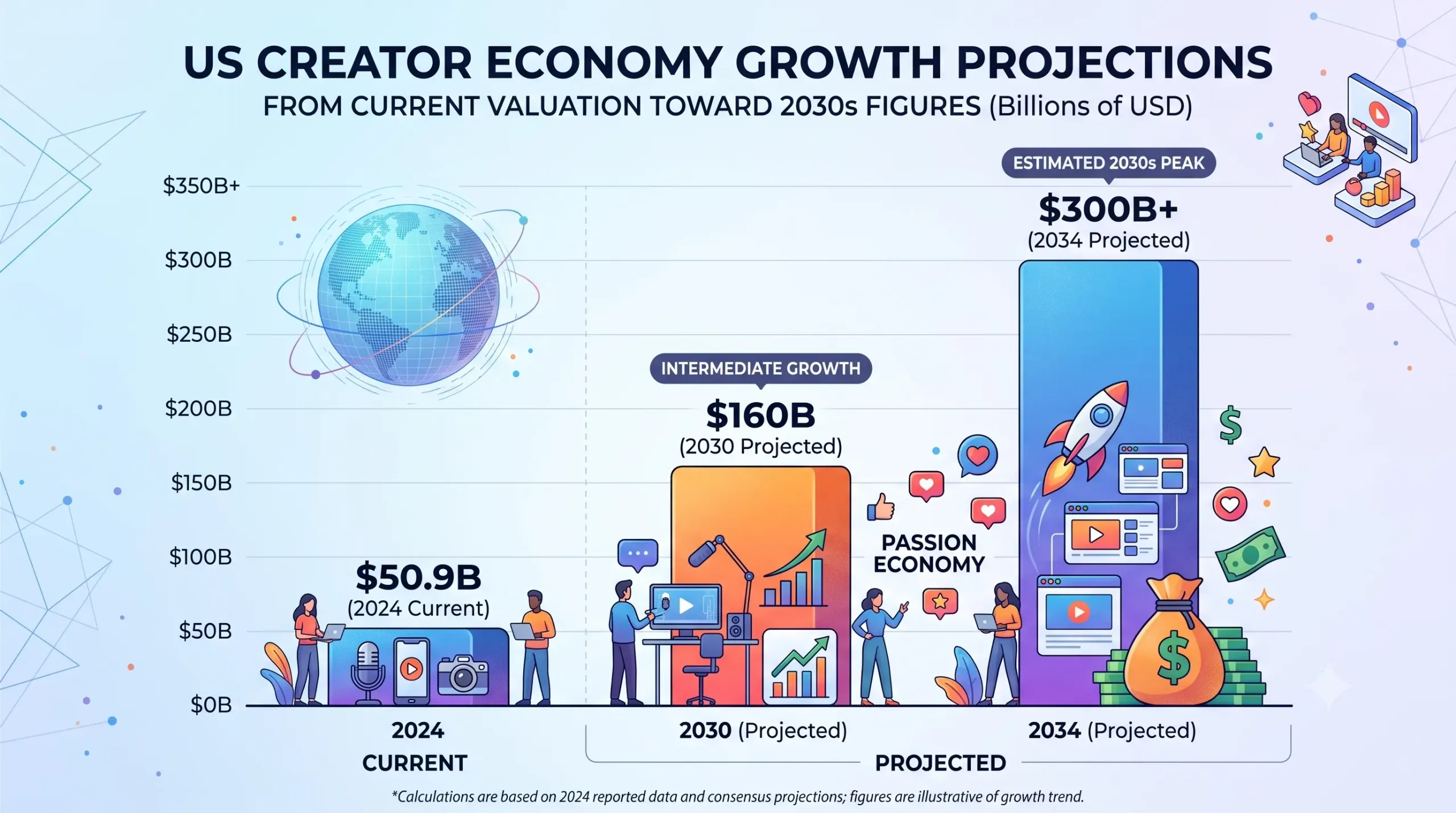
The Opportunity, Stated Plainly The U.S. creator economy sat near $50.9 billion in 2024. Estimates for the wider market now range from $80 billion to...

Problem Everyone’s telling you the same thing right now. Quit the job, build a course, sell an ebook, watch the passive income roll in while...

You built the thing. The checkout page works. The landing page looks sharp. And now you’re staring at an empty analytics dashboard, refreshing it every...
You’ve built the thing. Now you need somewhere to sell it — and the internet hands you three names on repeat: Gumroad, Podia, Shopify. Each...
The Problem: You Have to Pick Somewhere to Start You want to sell something online. Great instinct — but “something” splits almost immediately into two...
Add comment