
No products in the cart.
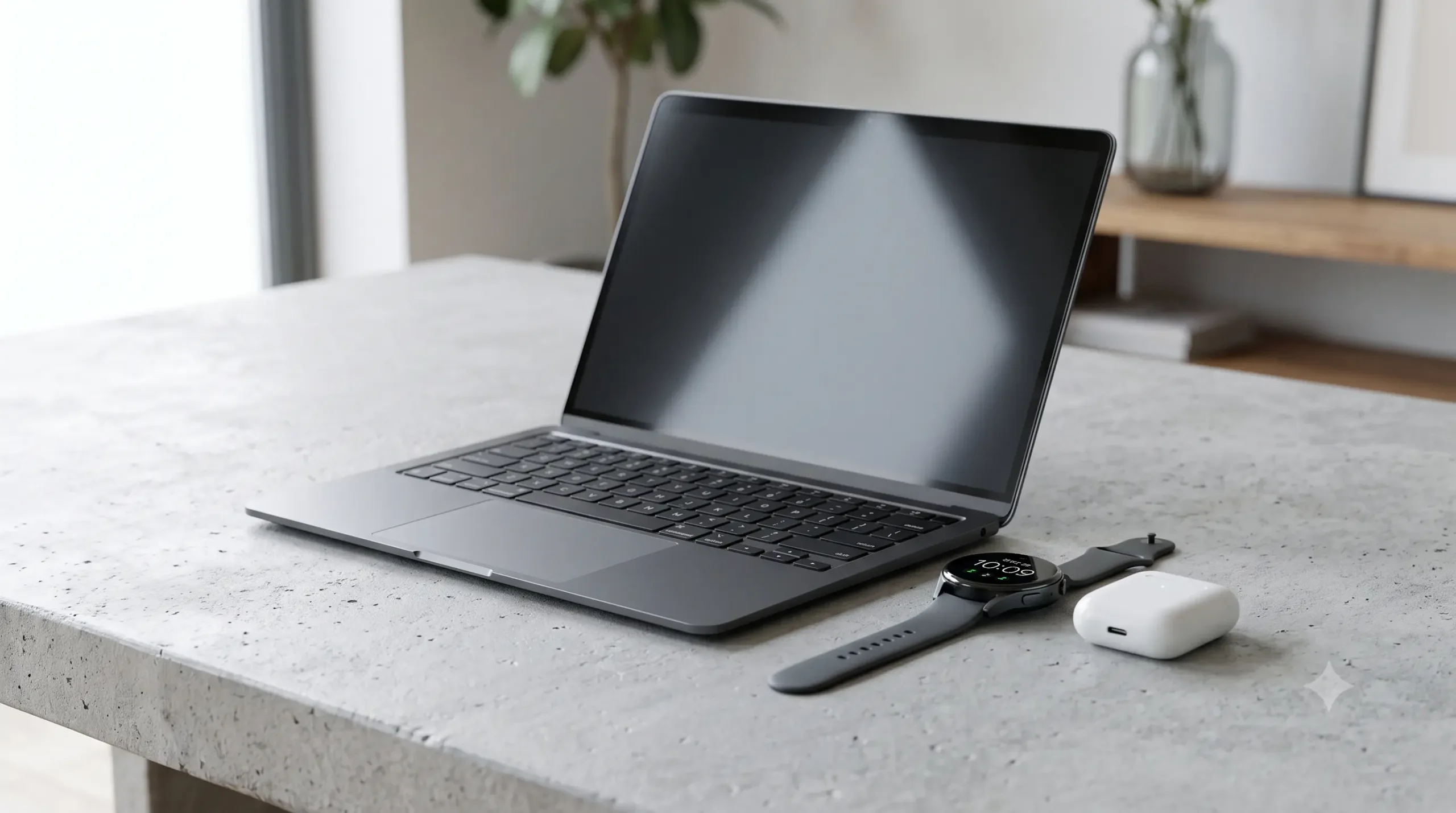
Is Microsoft About to Miss the AI Wearables Moment?
At Build 2026, Microsoft quietly previewed something that actually looks smart: Project Solara. Three layers, stacked on top of each other. First, an operating system built around AI agents instead of traditional apps. Second, a governance layer — basically the rules for what those agents are allowed to touch. And third, a data layer that lets an agent actually understand a company’s files, meetings, and permissions, without blowing past the access controls already in place.
Solid foundation. Genuinely.
Then came the demo. Two example devices: a desk hub that sits next to your PC and talks to Windows 365 in the cloud, and an ID badge built for frontline workers. Two products, two completely different audiences, and no real signal about which one actually matters to Microsoft.
Here’s the bigger picture, though. AI wearables might be the next real shift in how people use computers day to day — glasses, badges, whatever comes after phones. Solara reads like Microsoft trying to make sure it isn’t sitting out this cycle the way it sat out mobile.
But watching the Build presentation left two questions hanging in the air. Has Microsoft basically given up on consumers and decided enterprise is the only fight worth having? And even in enterprise — can it get hardware partners on board to actually build Solara devices people want, at prices OEMs can make money on?
The Windows Problem Nobody Wants to Say Out Loud
Windows OEM and Devices revenue has been flat for years now. Not falling off a cliff. Just flat, quietly shrinking as a share of Microsoft’s total business while everything else grows around it.
That said — don’t read the revenue numbers alone. Windows still matters enormously, just not for the reasons it used to. It’s the door through which Microsoft 365, Copilot, security tools, and identity systems reach roughly a billion machines. Windows isn’t dying. It’s just… lighter than it used to be, strategically. Less load-bearing.
Apple noticed the opening. In March, they put an iPhone chip inside a laptop and priced it at $599. That machine — the MacBook Neo — sold 1.1 million units in about three weeks. Outsold every other Mac in the lineup during its debut quarter. And Mac revenue overall hit $10.4 billion in Apple’s June quarter, up 29% year over year — growing roughly three times faster than unit sales did. Which tells you Apple isn’t just selling more Macs. It’s selling pricier ones, to people who want them specifically.
The pressure doesn’t stop at laptops, either. Apple’s been squeezing Windows from the sides for years now — phones, watches, earbuds, all tied together through Continuity, with wearables like glasses next on the list. That’s an ecosystem problem, not a product problem. Much harder for Microsoft to compete against.
Consumers Already Locked the Door
The numbers here are rough for Microsoft. Apple took 23% of global smartwatch shipments in Q1, and over half the North American market outright. Samsung, for comparison, managed about 7%. Smart glasses grew 167% year over year — and Meta’s holding somewhere between 69% and 84% of that market, depending on which analyst’s numbers you trust.
Microsoft isn’t in this fight. Not meaningfully, not today. And there’s no obvious path back in, either — most consumer wearables need a phone as their hub, and Microsoft hasn’t had a phone in years. Even the bridge that exists between Samsung devices and Windows — Phone Link — is a strange workaround. It’s technically Microsoft’s own product, sure. But it only exists because Android lets it.

Related posts

Here’s a number that should stop you mid-scroll: across 146,271 products analyzed on Gumroad in 2026, the median creator earned $72 a month. Not $72,000....

Five years ago, launching a digital product meant weeks of writing, editing, designing, and second-guessing your own copy at 1 a.m. Now a solo creator...
For most of the last decade, running enterprise Linux without paying Red Hat’s licensing fees meant one thing: find a distribution that copies RHEL exactly,...

Usain Bolt ran 100 meters in 9.58 seconds. That number stood for 17 years. Nobody touched it. Not another sprinter, not a faster shoe, not...
Problem Apple has talked about a folding iPhone since 2017. That’s not a typo. Nine years of leaks, patent filings, and “sources say” articles, and...
Add comment